Orthodox Pastoral Guidance · Духовний отець
Finding a Spiritual Father
No one walks the Christian life alone. A spiritual father is a priest who knows your life and guides your prayer, your repentance, and your growth in Christ. For most of us, he is simply our parish priest, known in depth. Here is what that means, and how to begin.
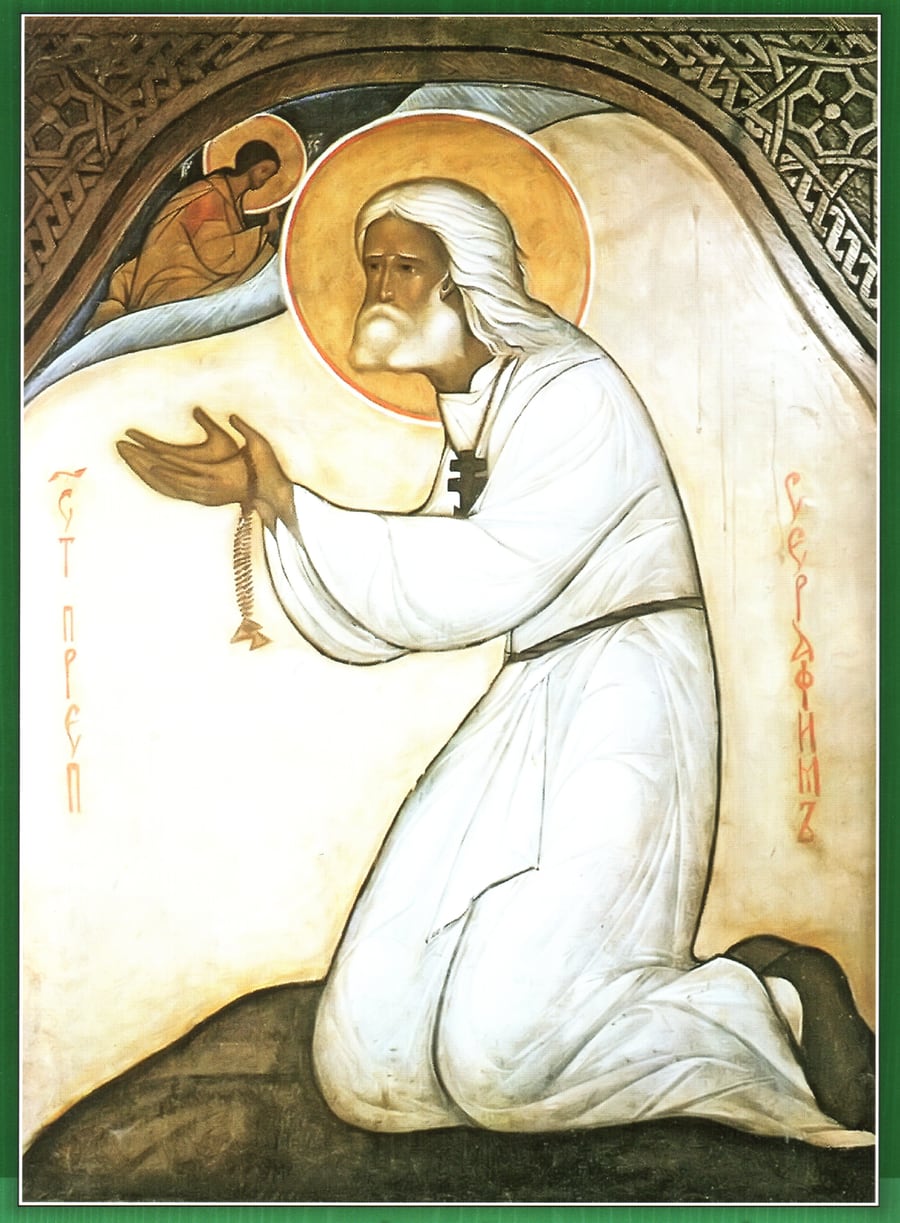
Your parish priest, in depth
The parish priest serves all the faithful: he preaches, leads the Divine Liturgy, hears confessions, and serves the sacraments. A spiritual father is something more personal. He is a priest who knows your life, with whom you can speak freely about your struggles and your hopes, who helps shape your prayer, your fasting, your reading, and your path to the chalice.
The role exists because the Christian life is not generic. What is right for one person, at one season of life, is not right for another. A spiritual father knows you well enough to give particular counsel, not only general advice.
For most Orthodox Christians, your spiritual father is your parish priest. You do not need to find some famous elder in another city. At St. Michael, Fr. Stephen is the parish priest, and for most of our people he is their spiritual father too.
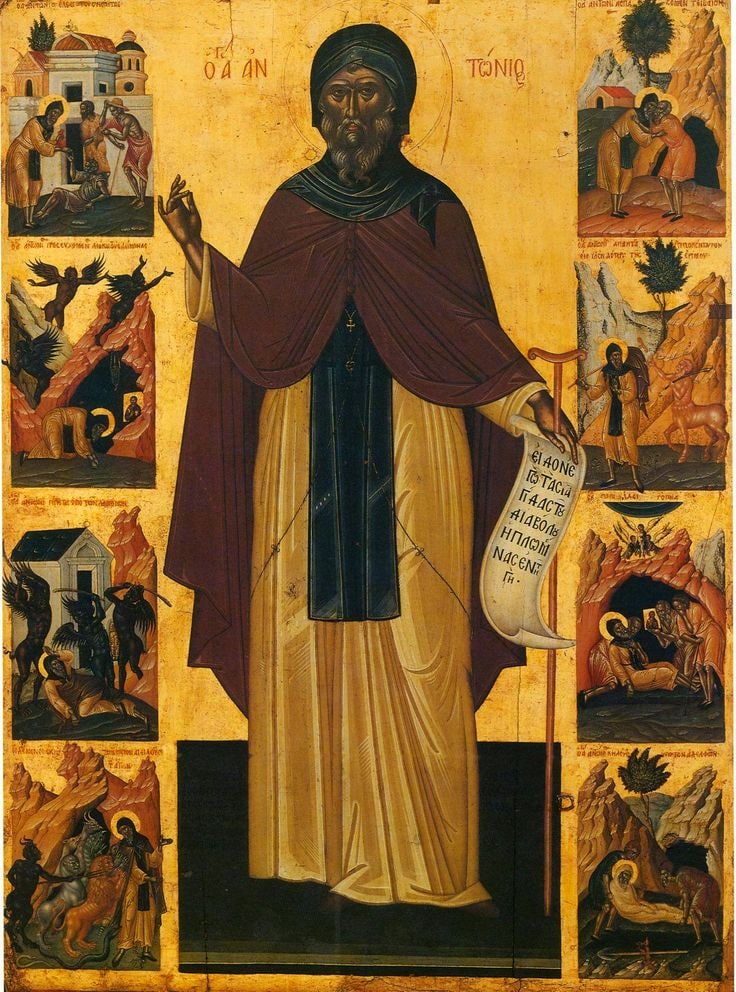
And what he is not
Knowing the boundaries keeps the relationship healthy, and protects you.
Not a therapist
He cares for the soul before God. He may notice a psychological pattern and point you toward a good Christian counselor, but he does not provide therapy. If you need it, he will say so.
Not a guru
Orthodox spiritual fatherhood is bound by the tradition of the Church. No invented practices, no secret teachings, no extreme demands, no cutting you off from the wider Church. Any of those is a sign to walk away.
Not infallible
He is a fellow Christian under the same Lord, and he can be mistaken about a particular matter. If his counsel leaves you uneasy, it is right to ask more, or in a serious case to seek a second opinion.
Not your only bond
He guides your prayer, repentance, fasting, and spiritual life. He is not your therapist, your banker, or your best friend. The rest of your life is lived in ordinary human relationships.
You do not have to be Orthodox to talk with a priest. If you are weighing the faith, that conversation is exactly what Fr. Stephen is here for.
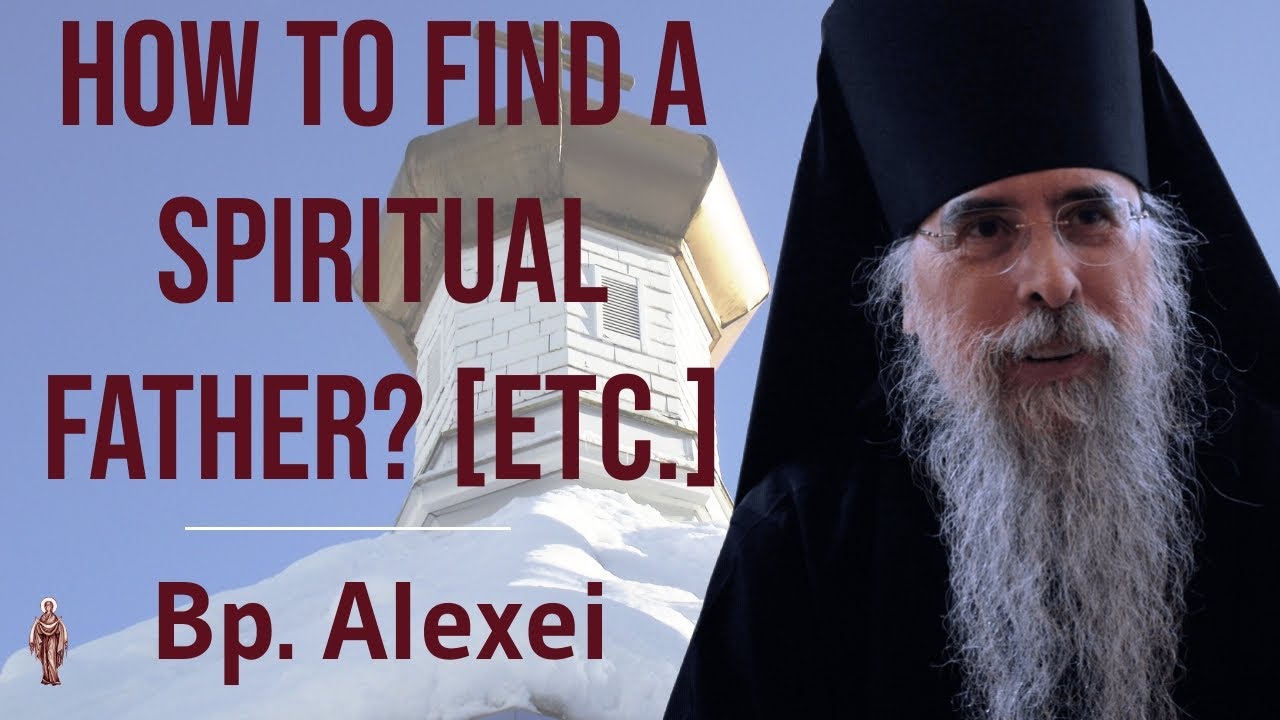
How to find a spiritual father
A bishop's warm, grounded counsel on what a spiritual father is, how to find one, and the first steps of the Orthodox spiritual life.
What you do together
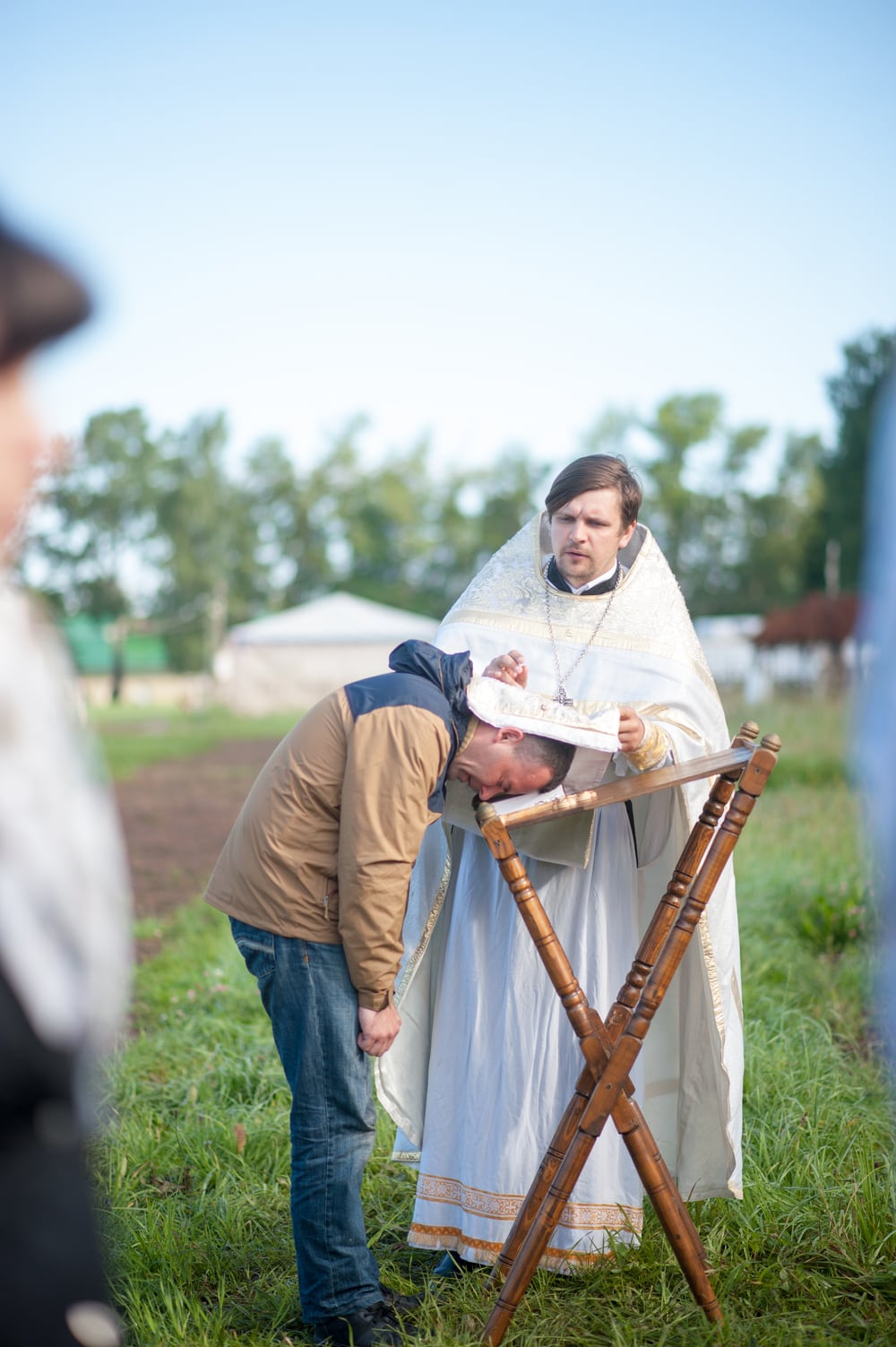
The most common meeting is confession, made in person to the priest, usually before the Sunday Liturgy or at another arranged time. It is not a list of categories. It is a candid conversation: you speak the truth, he gives counsel, and he prays the prayer of absolution. Most of us confess every four to six weeks, more often in Great Lent.
For the practical walk-through, see our guide to Confession.
Conversation beyond confession
Apart from confession, you can talk with your spiritual father about:
- •Your prayer rule: what to pray, how long, and when
- •Your fasting, and how to keep it in your circumstances
- •Books you are reading, or being given to read
- •Vocation: work, marriage, ordination, the monastic life
- •Family questions and other major decisions
- •Spiritual experiences that puzzle or unsettle you
Receiving counsel
A good spiritual father does not simply tell you what to do. He asks questions, listens carefully, prays with you, and offers his honest assessment. Then you decide. The point is not blind obedience; it is freedom under God, informed by wise counsel. If you find yourself obeying without thinking, or ignoring all counsel, something is off. Healthy direction is collaborative.
How to begin
If you belong to St. Michael
Fr. Stephen is, by default, the spiritual father of any parishioner who wants one.
- 1Make your confession. If it has been a long time, just say so at the start: 'Father, it has been a while; please walk me through it.' He will.
- 2Ask for a meeting if you want to talk about something outside of confession. He will gladly sit down with you.
- 3Continue the relationship. Spiritual fatherhood deepens through regular contact, not one dramatic meeting.
If you are exploring
You do not need to be Orthodox to meet with a priest. If you are working through whether the Orthodox faith is for you, Fr. Stephen will gladly sit with you. See Becoming Orthodox and The Catechumen Journey for the larger path.
If you worship elsewhere
You can have a spiritual father at a different parish than where you usually pray, though it is unusual. Most people's spiritual father is their own parish priest. If you feel a special tie to a priest elsewhere, that is fine; just avoid "shopping" priests or playing one against another.
Your side of the relationship
Spiritual fatherhood has two sides. Here is yours.
Be honest
Confession is not a performance. Tell the truth about your sins, especially the embarrassing ones. Nothing you say will shock a priest.
Be teachable
If he suggests a book or a practice, give it real effort before reporting back that it did not work for you.
Be patient
Growth is slow. Most of the spiritual life is showing up again, and again, and again. No shortcut replaces the patient work.
Be discreet
What is said in confession and in spiritual conversation is confidential. Do not gossip about it, and do not pry into the confessions of others.
Be normal
He is a man with a family, a full schedule, and his own soul to tend. Do not expect him at all hours, or for a crisis that could wait until Tuesday.
If something is wrong
The Church knows that priests can be wounded, sinful, or mistaken, and its structure accounts for it. If you have a serious concern:
For an ordinary disagreement
Ask another priest for a second opinion, not to escape your priest's authority, but to gain clarity.
For a moral concern about his conduct
Contact the bishop. Every priest answers to one. For St. Michael, that is Metropolitan Antony of the Ukrainian Orthodox Church of the USA.
For abuse of any kind
Contact the bishop and the civil authorities. The Church is not a shelter for abuse. These cases are rare; the norm is a healthy, lasting, respectful bond with your parish priest.
Begin when you are ready
There is no fee, no application, and no obligation. Call the parish or send a message, and Fr. Stephen will meet you wherever you are on the road. The conversation is yours whenever you want it.
St. Michael Ukrainian Orthodox Church · 9201 60th St, Pinellas Park, FL 33782 · 727-777-4450
Questions people ask
Do I have to have a spiritual father?
You should make confession at least a few times a year. Beyond that, the depth of the relationship is up to you. The more seriously you take the spiritual life, the more a spiritual father will help you.
Can a woman have a male spiritual father?
Yes. Most Orthodox women have a male priest as their spiritual father, since most priests are men. The relationship is pastoral and is conducted with clear and appropriate boundaries.
Can a layperson be a spiritual father?
Strictly, no. The sacramental role belongs to the priesthood. A wise older Orthodox Christian can be a good mentor and friend, but hearing confession and giving absolution belongs to an ordained priest.
What about a monastic spiritual father?
Many Orthodox have a monastic spiritual father, often a hieromonk at a monastery they visit. It is a beautiful model for those with a real ongoing tie to the monastery, but it does not replace a parish priest who knows your weekly life.
What if I move away?
Build a relationship with the priest at your new parish. You may stay in touch with your former spiritual father, but day-to-day guidance needs to be with someone you can see in person.
Can my spiritual father refuse me Communion?
Yes. The priest is responsible for the chalice, and if he believes you are not in a state to receive, he may ask you to wait. This is rare, always paired with counsel about what to do next, and never punitive; it is pastoral.
How do I know I have the right spiritual father?
You feel respected; you grow in love of Christ and neighbor; you find peace mixed with honest struggle; and you are not afraid to tell the truth. If you mostly feel afraid, manipulated, or ashamed beyond the natural humility of confession, something is wrong.
A small glossary
- Spiritual father
- A priest, usually your own parish priest, who knows your life and guides your prayer, repentance, and growth in Christ.
- Confession
- The sacrament of repentance: a candid conversation with the priest, his counsel, and the prayer of absolution.
- Epitrachelion
- The priest's stole, often laid over the penitent's bowed head at the prayer of absolution.
- Absolution
- The priest's prayer at the end of confession, by which the Church declares God's forgiveness of the repentant.
- Startsy
- An elder: a spiritually mature monk or priest sought out for discernment and counsel, like the elders of Optina.
- Hieromonk
- A monk who is also ordained a priest, and so able to hear confession and serve the Liturgy at a monastery.
- Penance
- A gentle remedy (Greek epitimia) the priest may give, such as added prayer or almsgiving, to aid healing, never to punish.
- Metropolitan
- The presiding bishop of a Church. For St. Michael, Metropolitan Antony of the Ukrainian Orthodox Church of the USA.
Continue deeper
Confession →
The central sacramental encounter.
Holy Mysteries →
An overview of all the sacraments.
The Catechumen Journey →
Preparing to become Orthodox.
Prayer at Home →
The daily practice he helps you shape.
Orthodox Fasting →
The ascetic practice he helps you guide.
Newcomers →
Start here if you are exploring.