Coming Home · Стати православним
Becoming an Orthodox Christian
If you feel drawn toward the ancient Christian faith and wonder what comes next, this is for you. Becoming Orthodox is not one decision made in a moment; it is a journey, and the Church gives you a path to walk. You are not alone: more Americans are coming home to Orthodoxy than in living memory.
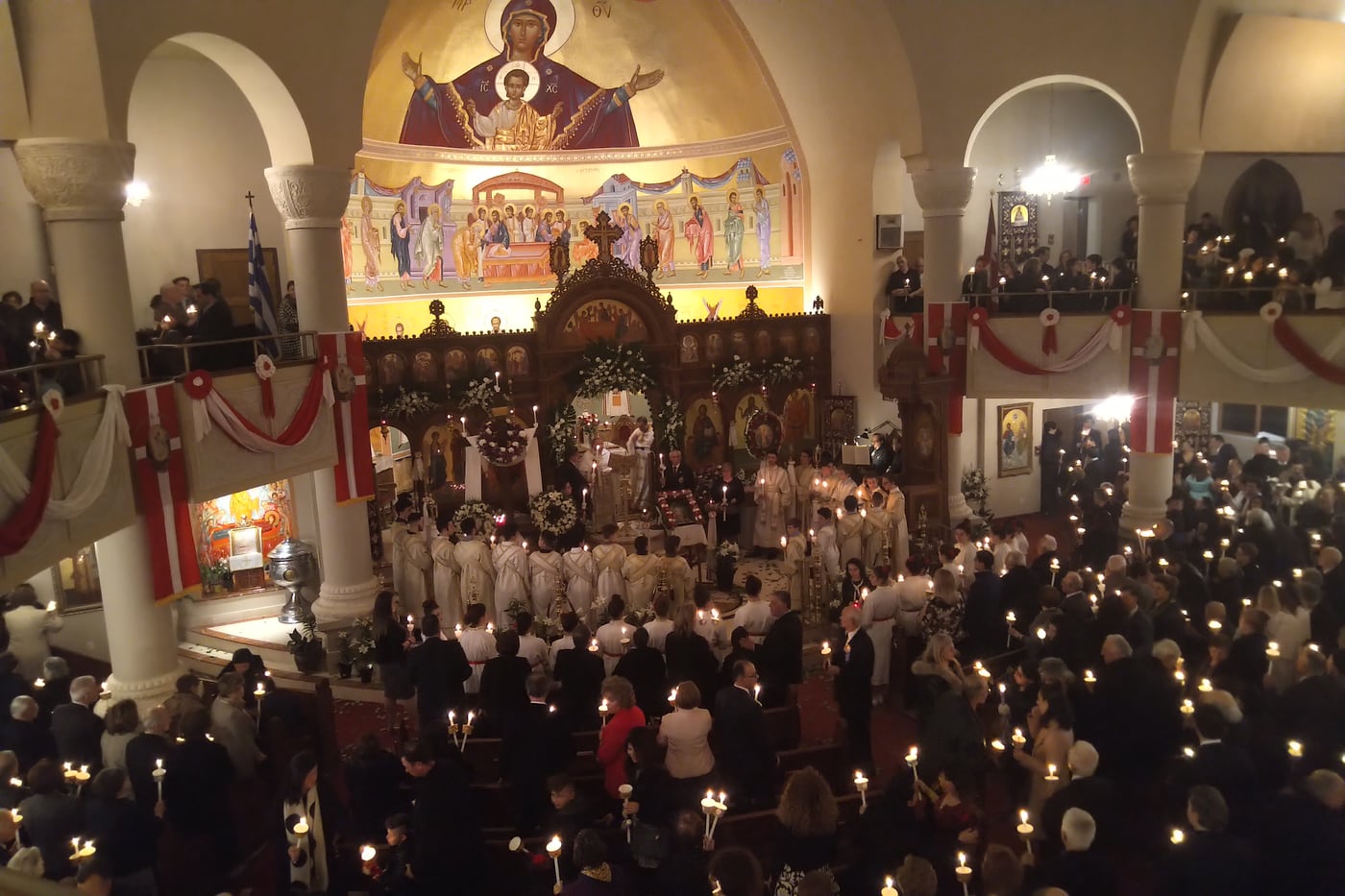
Where people come from
The Church welcomes inquirers from every background. The path depends a little on where you start, and in every case, the conversation with the priest comes first.
From a Protestant background
You were likely baptized in a Protestant church. The Orthodox Church often recognizes that baptism, discerned pastorally by the priest with the bishop. Where it is recognized, you are received by Chrismation, not re-baptized.
From the Roman Catholic Church
Much the same. Catholic baptism is generally recognized, and reception is by Chrismation. The shared understanding of the sacraments makes the move smaller than many expect.
From an Eastern Catholic tradition
Reception is usually by Chrismation, sometimes by a simple profession of faith, as the bishop discerns. The liturgical life will already feel like home.
From an unchurched background
If you were never baptized, you are received through Baptism and Chrismation together, usually celebrated at Pascha or Theophany.
From another Orthodox jurisdiction
Welcome. No formal reception is needed beyond a transfer of membership and a conversation with Fr. Stephen.
Do not assume your situation. Come and talk.
Reach Fr. Stephen →Not ready to commit? You do not have to be. Come as an inquirer, on a Sunday, and simply look. The Church gives you room.
The catechumenate, in three movements
An ancient practice: the period of prayer and instruction that prepares you for the Church. It usually runs six months to two years; there is no rush.
Inquirer
Where most people begin. You attend the Divine Liturgy, you read, you ask questions, you meet parishioners. You are not yet committed; you are looking. This phase has no fixed beginning or end.
Catechumen
When you have decided this is the path, Fr. Stephen enrolls you in a brief rite at the start of a Sunday Liturgy. You attend faithfully, begin a structured catechesis, and learn to fast and to pray as the Church does.
Illumined
You are received through Chrismation, or through Baptism and Chrismation, and receive Holy Communion for the first time. You take a saint's name. From that day you are a full member of the Church.
For the whole road in detail, see The Catechumen Journey.
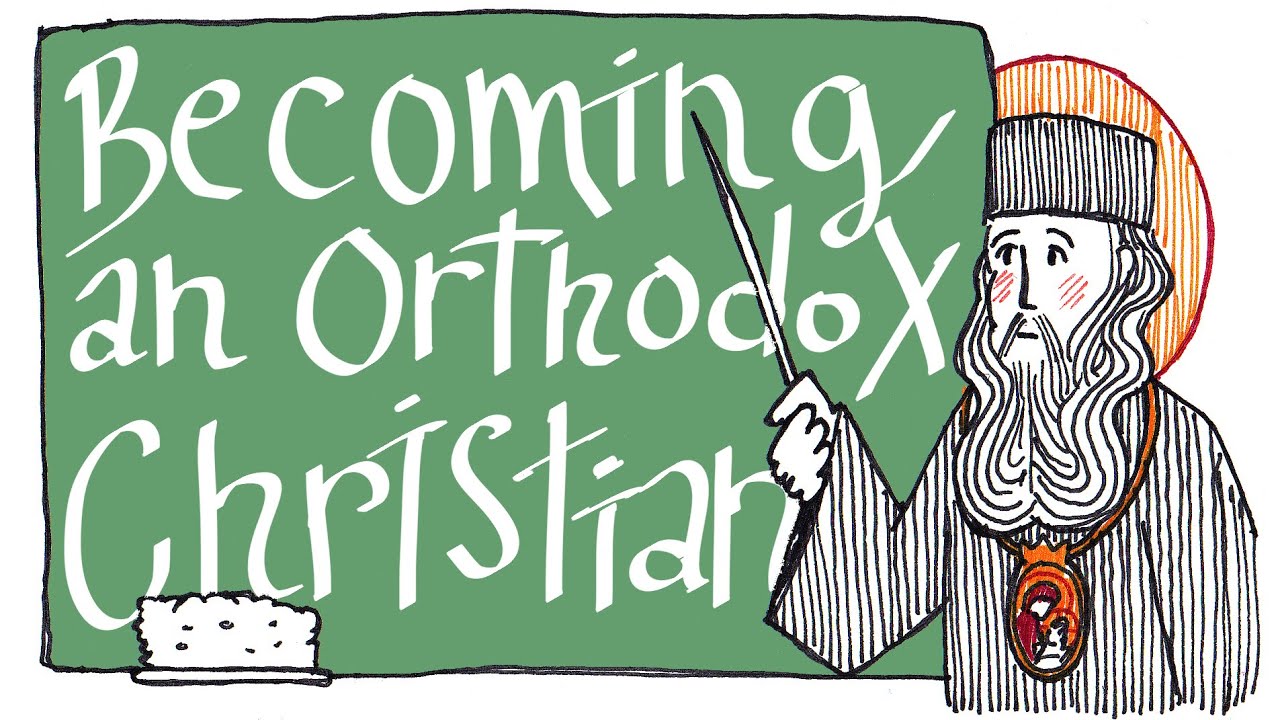
How to become an Orthodox Christian
A warm, clear walk through the path: the phases, the common pitfalls, and the first practical steps for anyone drawn to the Church.
You will not walk it alone
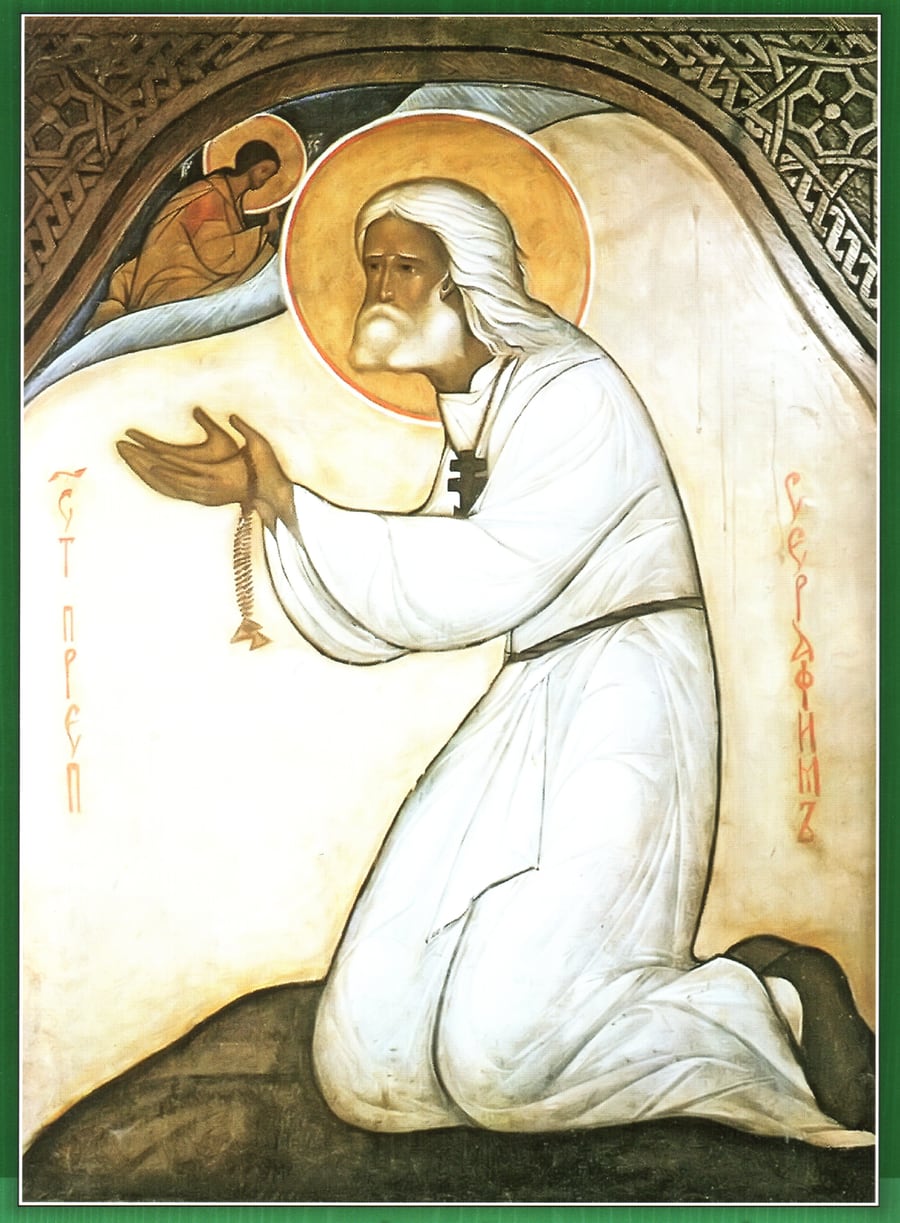
The Orthodox tradition gives every serious Christian a spiritual father, a more experienced believer, usually a priest, who knows you personally and guides you through prayer, struggle, and decisions. As you go on, Fr. Stephen will likely become yours.
It is not therapy, and it is more than confession. It is accountability and counsel under the eye of someone who has walked the road ahead of you. It is one of the great gifts of the Orthodox tradition.
Practical first steps at St. Michael
If you are ready to begin, begin here.
- 1 Come to the Sunday Divine Liturgy at 10:00 AM. Read our first-visit guide if you are nervous about what to expect.
- 2 Stay for coffee hour afterward, and introduce yourself.
- 3 Call or write Fr. Stephen to set up a conversation. The first one is informal: your story, your questions, and what the catechumenate here looks like.
- 4 Begin reading. The Orthodox Study Bible, The Orthodox Way by Bishop Kallistos Ware, and For the Life of the World by Fr. Alexander Schmemann are good places to start.
- 5 Begin praying. Start small; five minutes you actually pray beats fifty you do not.
- 6 Get to know the rhythm of the Church year, its feasts and its fasts.
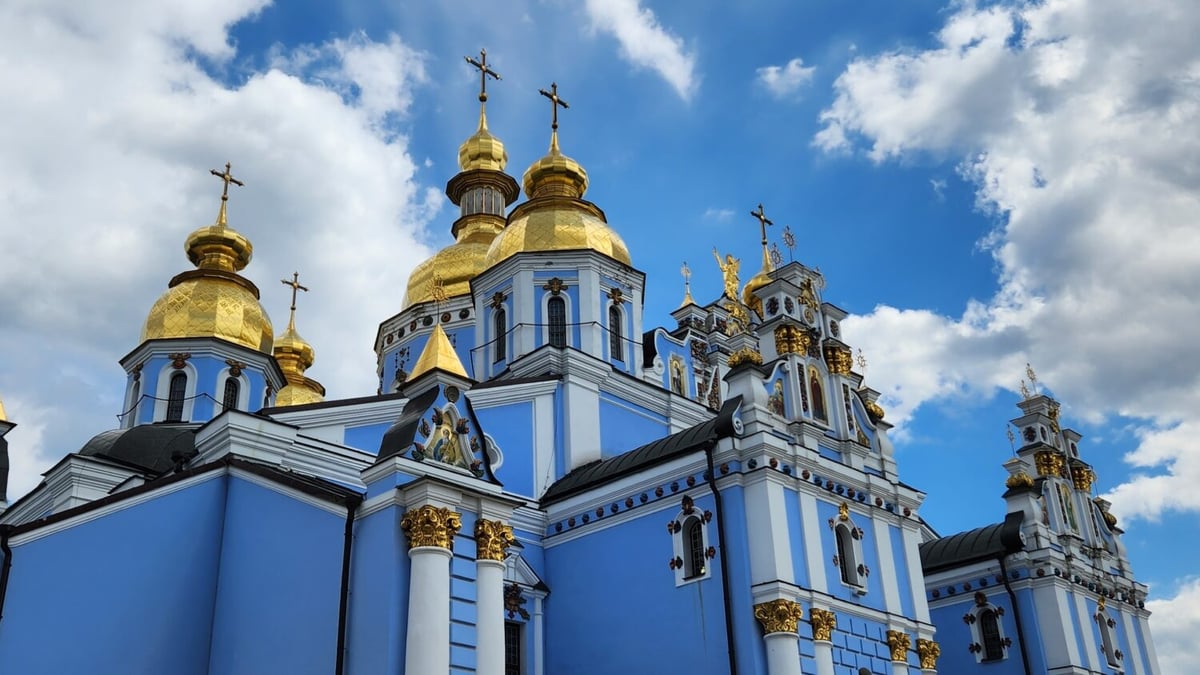
You are welcome here
We are part of the Ukrainian Orthodox Church of the USA, under the Ecumenical Patriarchate, in full communion with all canonical Orthodox churches worldwide. Whether your reason is theological, spiritual, cultural, or simply a sense of being drawn home, there is a place for you at St. Michael.
St. Michael Ukrainian Orthodox Church · 9201 60th St, Pinellas Park, FL 33782 · 727-777-4450
Common concerns
I do not know any Ukrainian.
That is no obstacle. Our Sunday Divine Liturgy is bilingual, with substantial English, and the catechumenate and the sermons are in English. Becoming Orthodox does not mean becoming Ukrainian.
I am not sure I am ready to commit.
Then do not commit yet. Be an inquirer. Come on Sundays, read, ask. The Orthodox Church does not pressure you into a decision; it gives you space and structure to come to your own clarity.
My family is not Orthodox.
Most converts come from non-Orthodox families; this is normal. Be patient with them, and do not lecture. Let your changed life be the witness, not your words.
I am divorced, or my history is complicated.
Talk with Fr. Stephen. The Orthodox Church takes marriage seriously, and it also has deep pastoral mercy and a process called economia for situations that are not simple. Do not assume your circumstances close the door.
I have moral or doctrinal questions I have not resolved.
That is exactly what the catechumenate is for. Bring the questions. Most have been wrestled with by saints and ordinary believers for two thousand years; few are as new as we fear.
A small glossary
- Inquirer
- One who is exploring the Orthodox faith with no commitment yet: attending, reading, asking.
- Catechumen
- One formally enrolled and committed to the path, under instruction and prayer toward reception.
- Chrismation
- Anointing with Holy Chrism, the sacrament by which a baptized Christian is sealed and received into the Church.
- Economia
- The Church's pastoral flexibility, applying the law of love to particular situations for the sake of salvation.
- Theosis
- Becoming like God by grace, the lifelong purpose of the Christian life that reception only begins.
- Holy Chrism
- The fragrant oil, blessed by the bishops, used in Chrismation to seal the newly received with the Holy Spirit.
- Ecumenical Patriarchate
- The Church of Constantinople, under which the Ukrainian Orthodox Church of the USA serves, in communion with all Orthodox.
- Illumined
- A title for the newly received, shining with the grace of Baptism and Chrismation.